We deliver innovative, high-performance solutions that strengthen industrial operations, reduce wear, and extend equipment life. From coatings to precision machining, our expertise drives the future of manufacturing and maintenance.
Quality First
Every process is driven by uncompromising standards and certified quality systems.
Innovation
We apply the latest technology to develop smarter, longer-lasting solutions.
Customer-Centric
Our approach is tailored to each client’s specific needs and challenges.
Sustainability
We engineer solutions that reduce waste, downtime, and environmental impact.
Trusted Clients
0K+
What we offer
Experience Backed by Our Expertise, at Your Service.
Every service is backed by technical expertise, industry-grade equipment, and a commitment to quality you can trust.
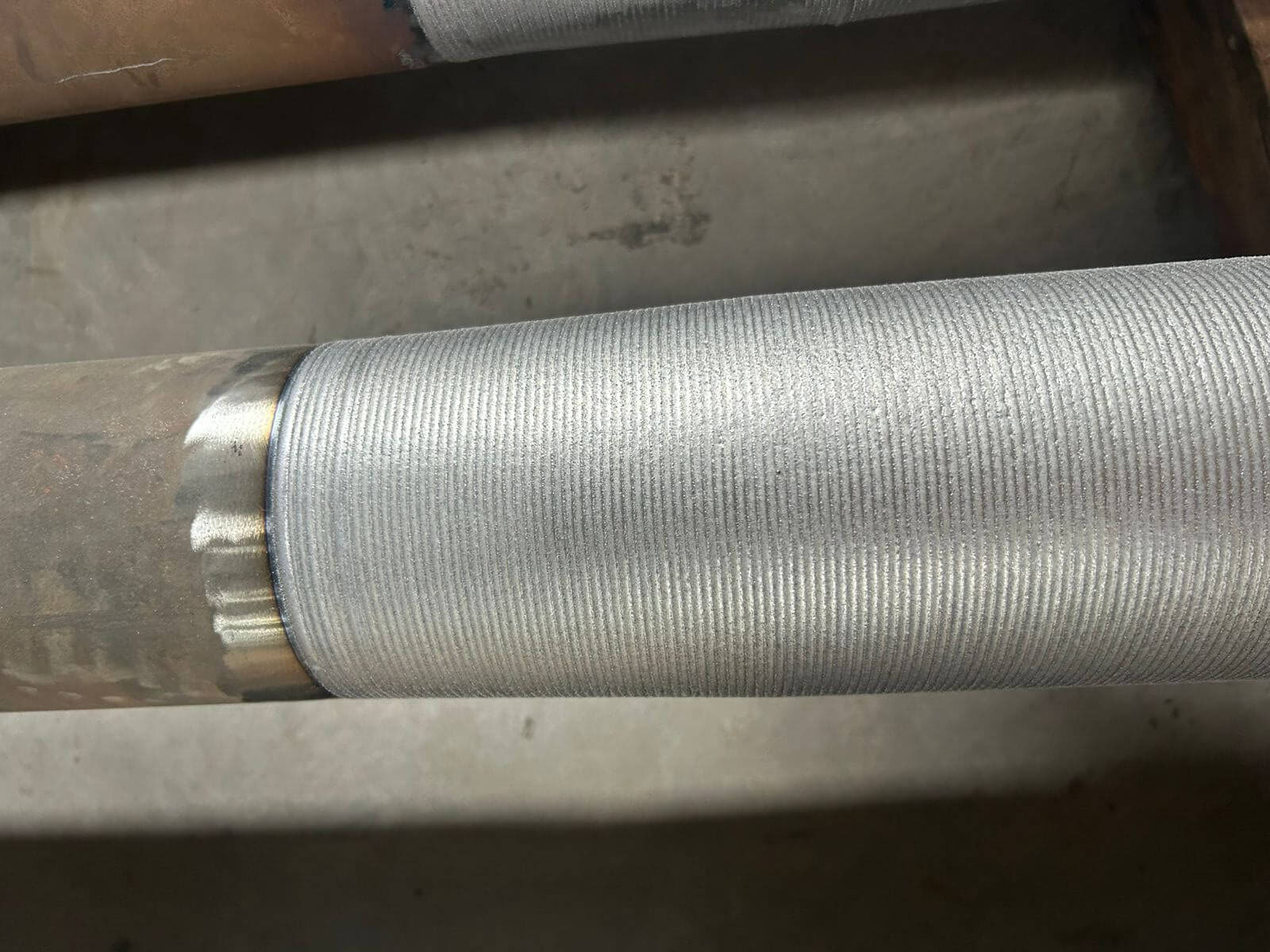
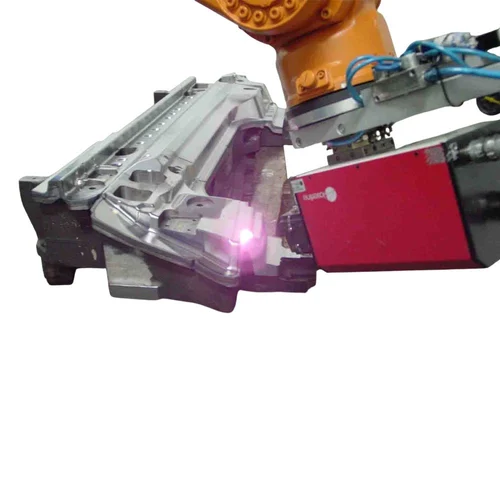
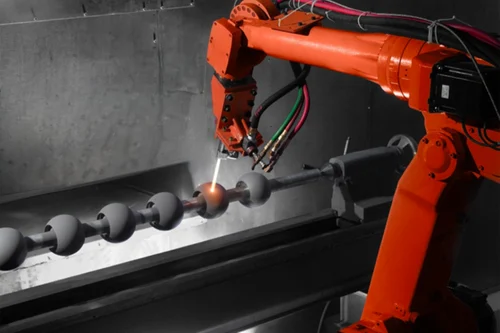
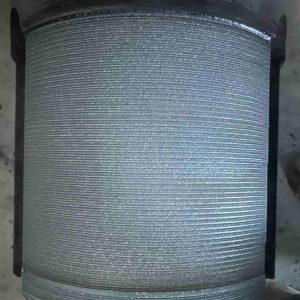
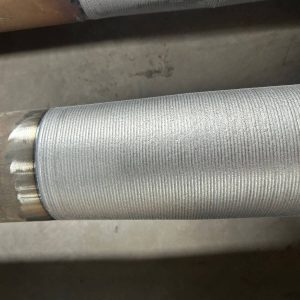
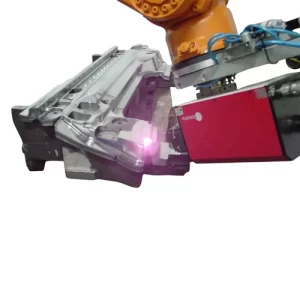
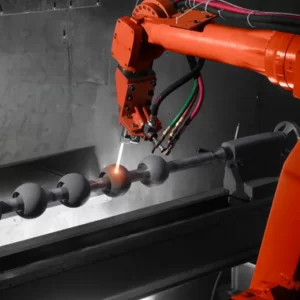
Laser cladding, also known as laser metal deposition (LMD) or laser additive manufacturing, is a highly advanced and versatile surface engineering technique. It uses a high-power laser beam to melt a stream of metallic powder (or sometimes wire) onto the surface of a workpiece, creating a protective coating or rebuilding worn/damaged areas. The key characteristic of laser cladding is the formation of a metallurgical bond between the clad layer and the substrate, resulting in an extremely strong, dense, and durable coating with minimal dilution.
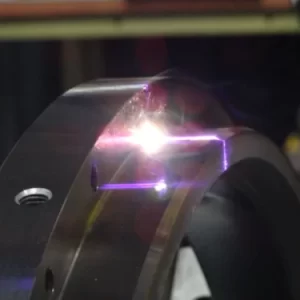
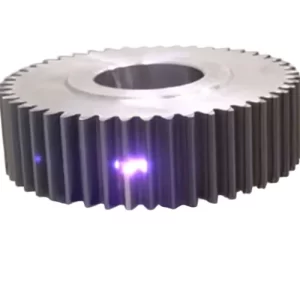
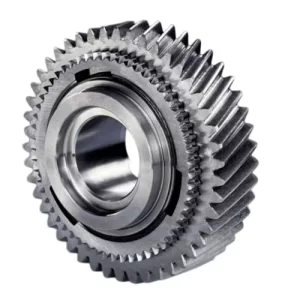
Laser hardening, also known as laser transformation hardening or laser case hardening, is a precision heat treatment process that uses a high-power laser beam to selectively heat and harden the surface of a metal component. This process is particularly valuable for improving the wear resistance, fatigue strength, and durability of specific areas on a part while maintaining the ductility and toughness of the core material.
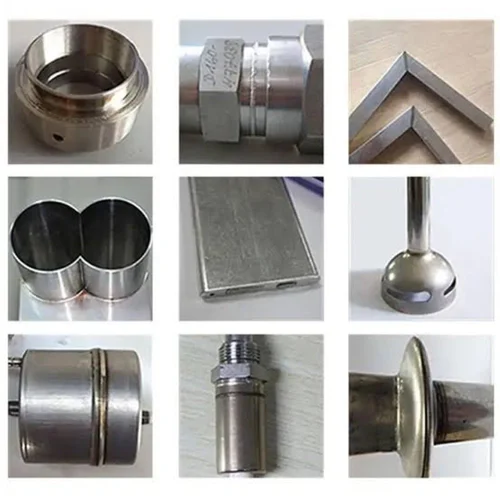
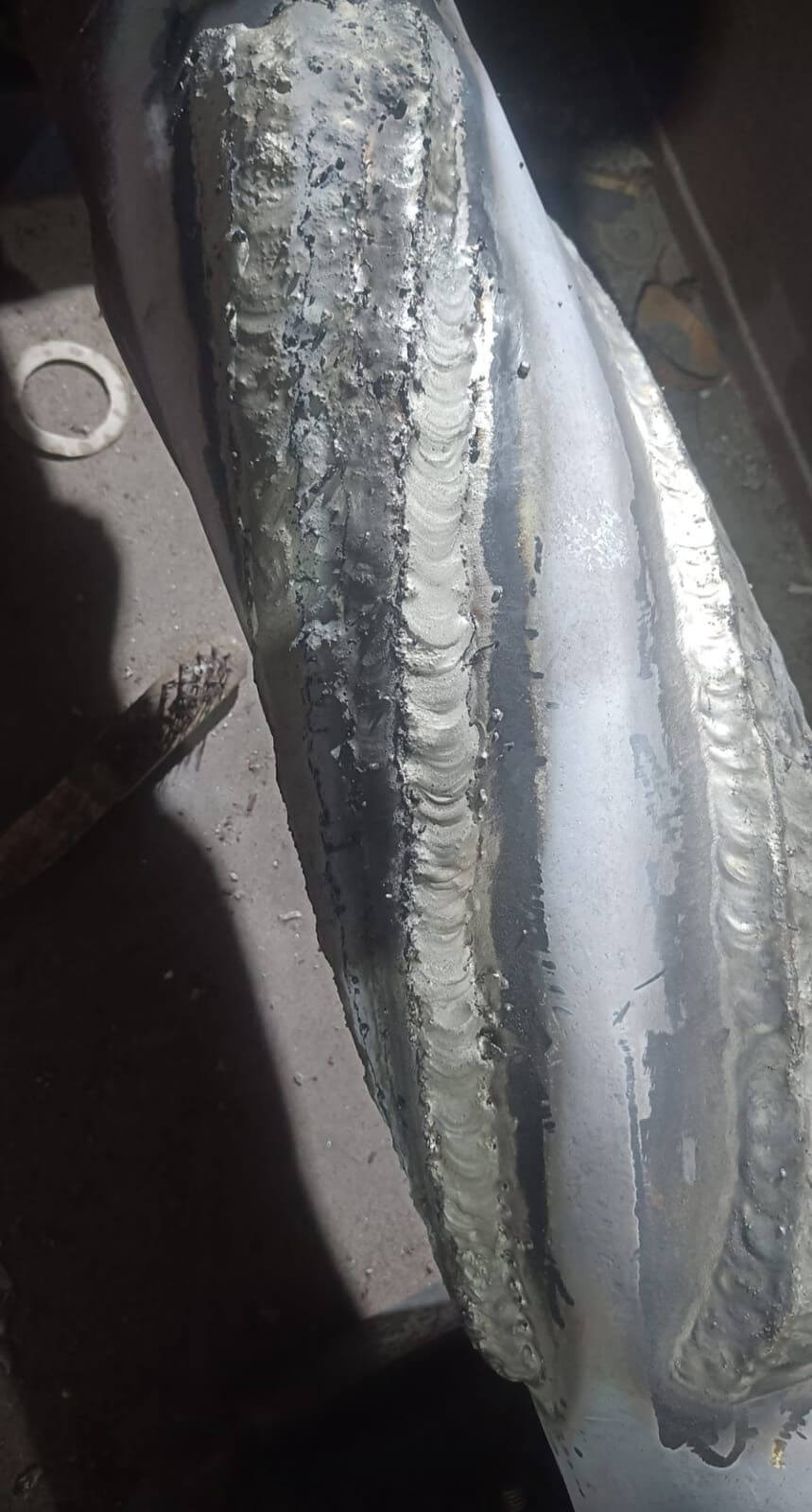
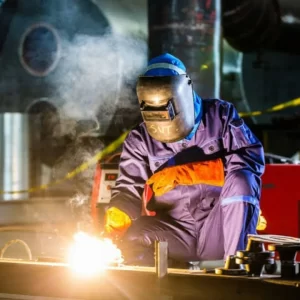
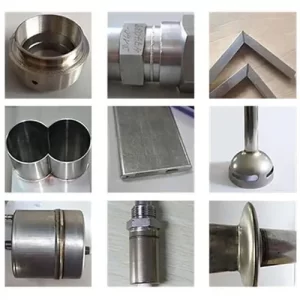
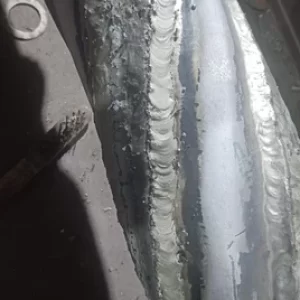
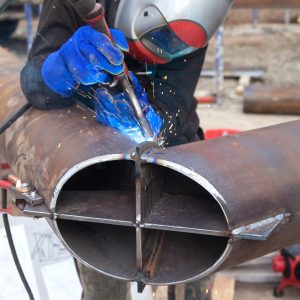
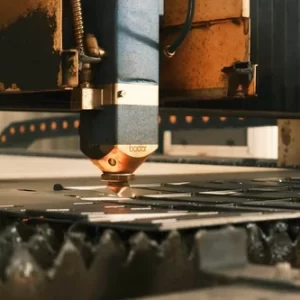
Laser welding is an advanced and highly precise metal joining process that utilizes a focused beam of light (laser) as a heat source to melt and fuse materials. It offers significant advantages over traditional welding methods, making it suitable for a wide range of demanding applications across various industries.
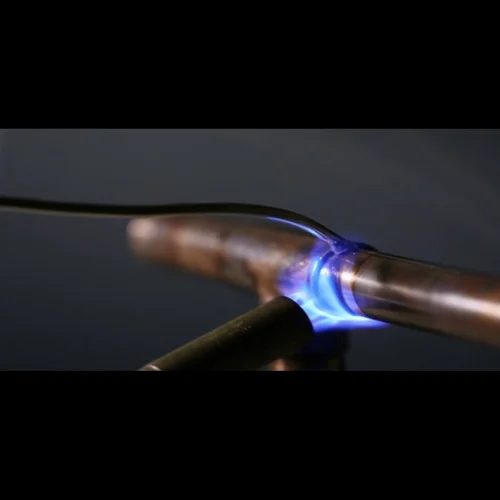
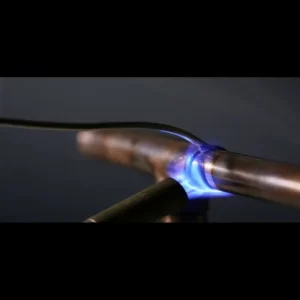
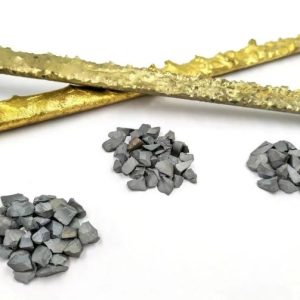
PDC (Polycrystalline Diamond Compact) composite rod brazing is a critical service, primarily used in the fabrication and repair of wear-resistant tools and components, especially for drilling and cutting applications in industries like oil & gas, mining, construction, and geothermal.
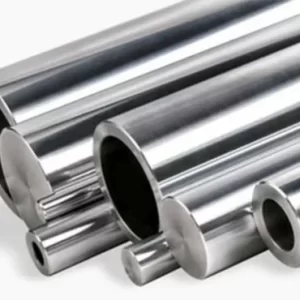
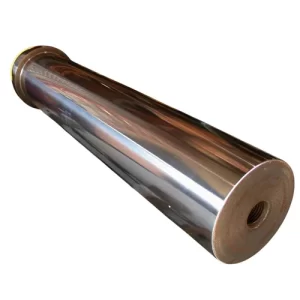
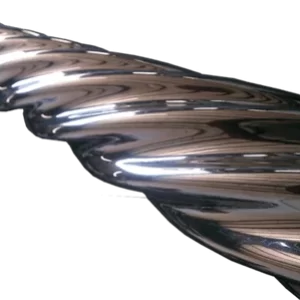
Hard chrome plating is a highly specialized and widely used industrial process that involves electrodepositing a thick layer of chromium onto a metallic substrate. Unlike decorative chrome plating, which is thin and primarily for aesthetics, hard chrome plating (also known as industrial chrome or engineering chrome) focuses on enhancing the functional properties of a component.
Hard chrome plating is a highly specialized and widely used industrial process that involves electrodepositing a thick layer of chromium onto a metallic substrate. Unlike decorative chrome plating, which is thin and primarily for aesthetics, hard chrome plating (also known as industrial chrome or engineering chrome) focuses on enhancing the functional properties of a component.
Hard chrome plating is a highly specialized and widely used industrial process that involves electrodepositing a thick layer of chromium onto a metallic substrate. Unlike decorative chrome plating, which is thin and primarily for aesthetics, hard chrome plating (also known as industrial chrome or engineering chrome) focuses on enhancing the functional properties of a component.
Hard chrome plating is a highly specialized and widely used industrial process that involves electrodepositing a thick layer of chromium onto a metallic substrate. Unlike decorative chrome plating, which is thin and primarily for aesthetics, hard chrome plating (also known as industrial chrome or engineering chrome) focuses on enhancing the functional properties of a component.
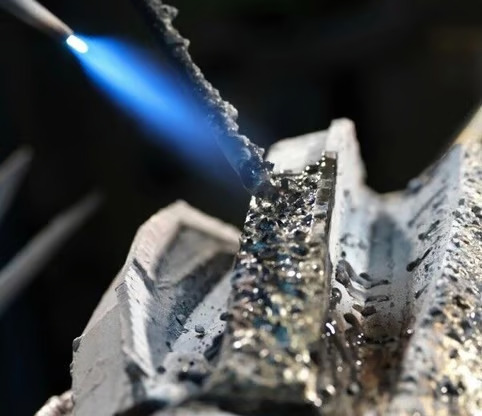
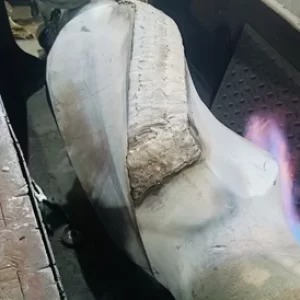
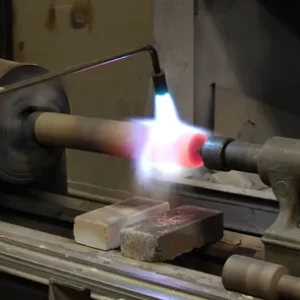
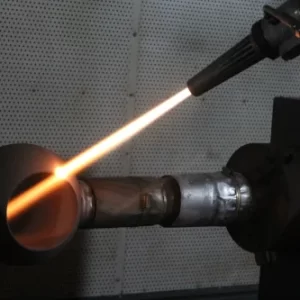
Thermal spray fuse coating, often simply called “spray and fuse” or “fuse coating,” is a specialized thermal spray process that combines the initial deposition of a coating with a subsequent heat treatment to create an exceptionally dense, metallurgically bonded layer. This process is particularly known for its ability to produce highly wear- and corrosion-resistant coatings.
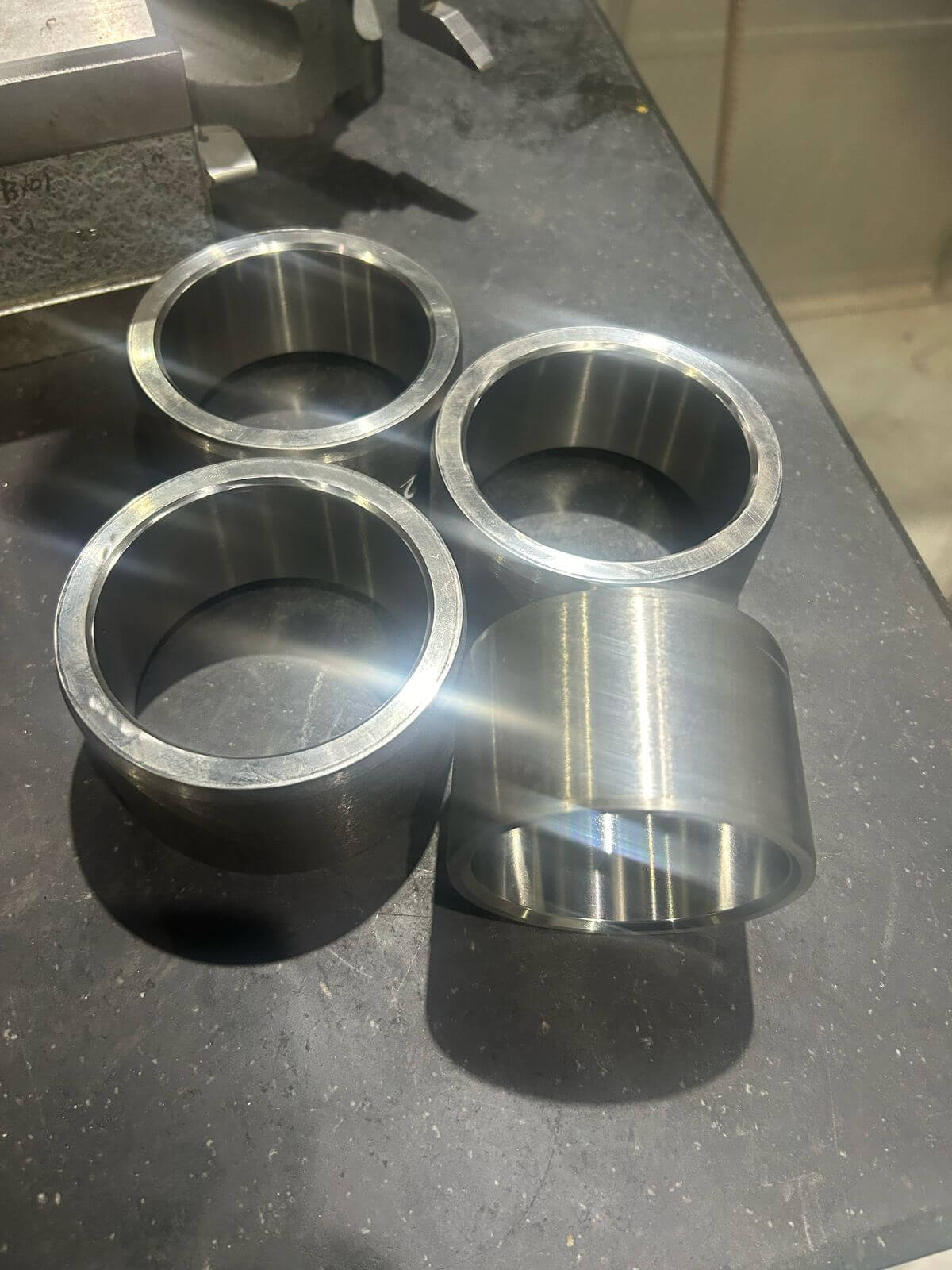
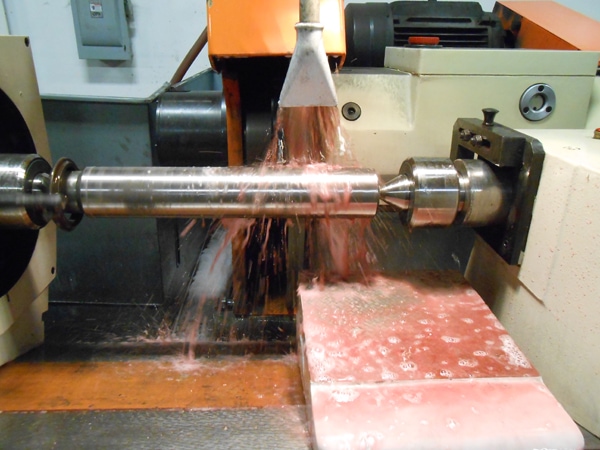
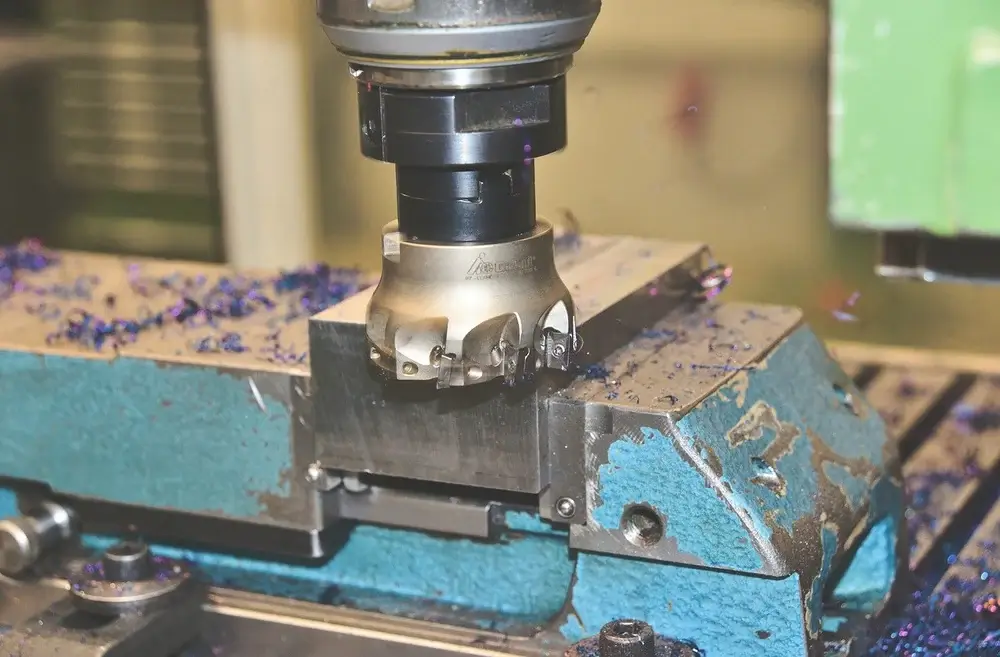
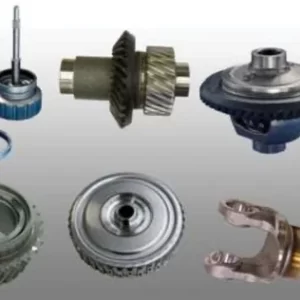
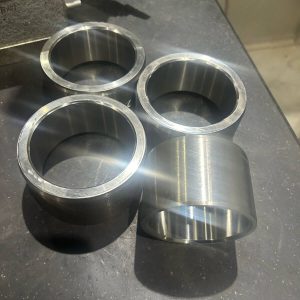
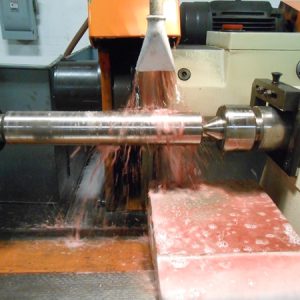
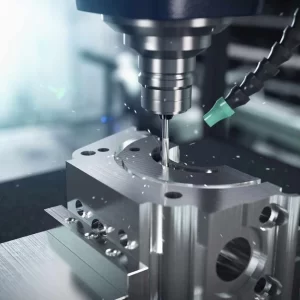
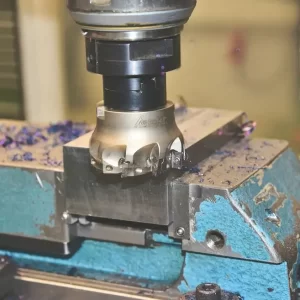
Precision CNC (Computer Numerical Control) machining services are at the forefront of modern manufacturing, offering unparalleled accuracy, repeatability, and efficiency in producing complex parts from a wide array of materials. These services are critical for industries that demand tight tolerances, intricate geometries, and high-quality finishes.
The acronym “HVOLF” is not as commonly used as “HVOF” or “HVAF” in the thermal spray industry’s general lexicon. However, the search results clarify that “HVOLF” stands for High-Velocity Oxygen Liquid Fuel (or sometimes “High-Velocity Oxygen Gas/Liquid Fuel”), and it is a specific variant or subset of the broader HVOF (High-Velocity Oxy-Fuel) thermal spray process.